
Article Summary
- FORTIFIED inspections assess a home’s ability to withstand severe weather
- Focus on roof, openings, and structural strength
- Benefits include reduced damage, insurance savings, and higher home value
- Skipping inspection can lead to costly vulnerabilities
- Process includes assessment, recommendations, and certification
- Expert guidance helps ensure stronger protection and long-term savings
FORTIFIED Home Inspections: How to Protect Your Home and Save on Insurance
Severe weather is becoming more unpredictable, and many homeowners are left wondering if their property is truly prepared. A FORTIFIED home inspection offers a clear answer. At SETEI, we work with homeowners who want more than just basic protection. You want confidence that your home can withstand strong winds, heavy rain, and damaging storms while also creating opportunities for long-term savings.
What Is a FORTIFIED Home Inspection?
A FORTIFIED home inspection is a detailed evaluation based on standards developed by the Insurance Institute for Business & Home Safety. These standards go beyond typical building codes and focus on strengthening key areas of your home to better resist severe weather.
According to the IBHS FORTIFIED program, this approach is designed to reduce damage from hurricanes, hail, and high winds by improving how your home is built or reinforced.
During a FORTIFIED inspection, certified professionals assess critical components such as:
- Roof condition and attachment methods
- Sealing around roof edges and penetrations
- Windows and doors for wind resistance
- Overall structural integrity
The goal is to identify vulnerabilities and determine whether your home meets the criteria for a FORTIFIED designation.
Why a FORTIFIED Home Inspection Matters
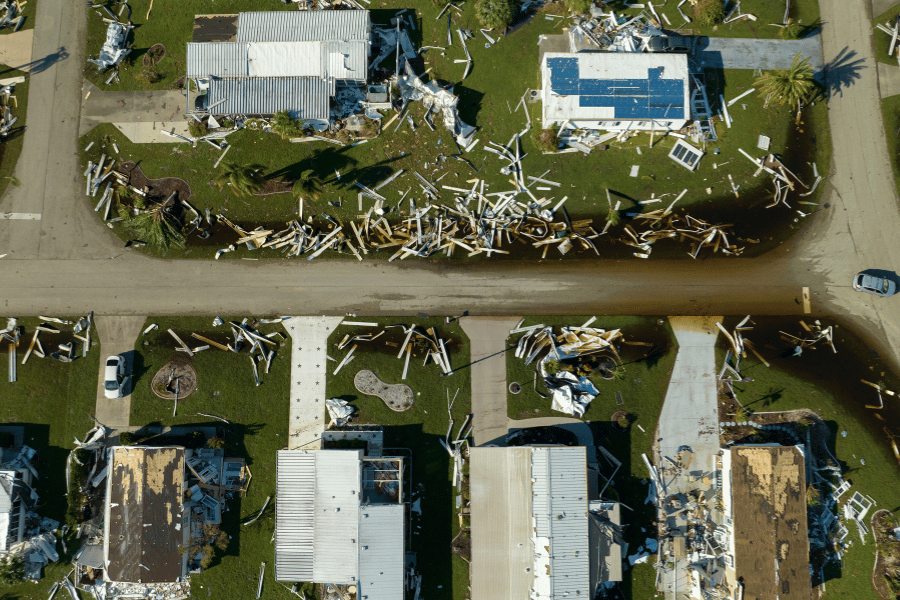
Many homeowners assume their property is “up to code,” but standard codes often represent the minimum requirement, not the best protection. A FORTIFIED inspection helps you go beyond that baseline.
Here’s why that matters:
1. Stronger Protection Against Severe Weather
Homes that meet FORTIFIED standards are built or upgraded to handle extreme conditions more effectively. This means:
- Reduced likelihood of roof failure
- Less water intrusion during storms
- Lower risk of costly structural damage
Resources like NOAA severe weather safety guidance emphasize how proactive preparation can significantly reduce storm-related losses.
2. Potential Insurance Savings
Insurance providers often recognize the reduced risk associated with FORTIFIED homes. As a result, many offer discounts for homeowners who meet these standards.
The National Association of Insurance Commissioners notes that mitigation efforts can directly impact premiums. Over time, these savings can offset the cost of upgrades and inspections.
3. Increased Property Value
A FORTIFIED designation signals to buyers that your home has been built or improved with resilience in mind. This added value can:
- Make your home more attractive in competitive markets
- Provide reassurance to potential buyers
- Support stronger resale pricing
4. Peace of Mind Year-Round
Perhaps the most overlooked benefit is confidence. When severe weather is in the forecast, you won’t be left wondering if your home can handle it. You’ll know it was evaluated against one of the highest standards available.
How SETEI Supports Homeowners
At SETEI, we understand that navigating inspection standards and requirements can feel overwhelming. That’s why our role is to provide clarity and guidance throughout the FORTIFIED inspection process.
We help by:
- Conducting thorough inspections aligned with IBHS standards
- Identifying areas where your home may fall short
- Explaining findings in clear, practical terms
- Helping you understand what steps may be needed to meet FORTIFIED criteria
We don’t just deliver a report. We make sure you understand what it means for your home and your investment.
Risks of Skipping a FORTIFIED Inspection
Choosing not to pursue a FORTIFIED home inspection can lead to missed opportunities and increased risk.
Without this level of evaluation, you may face:
- Hidden vulnerabilities that only become apparent during a storm
- Higher repair costs due to preventable damage
- Missed insurance discounts that could save you money annually
- Reduced buyer confidence if you decide to sell your home
In many cases, homeowners only realize these gaps after experiencing damage. A proactive inspection helps you stay ahead instead of reacting after the fact.
What to Expect During the Process
If you’re considering a FORTIFIED inspection, here’s a simple breakdown of what the process typically looks like:
- Initial Assessment
A certified inspector evaluates your home’s current condition and key structural components. - Documentation and Review
Findings are documented to determine whether your home meets FORTIFIED standards. - Recommendations (if needed)
If your home does not meet the criteria, you’ll receive guidance on what improvements may be required. - Certification (if qualified)
Once standards are met, your home can receive a FORTIFIED designation.
Throughout this process, SETEI ensures you have a clear understanding of each step so you can make informed decisions.
Take the Next Step Toward a More Resilient Home
Your home is one of your most important investments, and protecting it should never be left to chance. A FORTIFIED home inspection gives you the insight and confidence to strengthen your property against severe weather while potentially lowering your insurance costs.
If you’re ready to take a proactive approach to home protection, SETEI is here to help. Contact our team today to schedule your FORTIFIED inspection and learn how you can better protect your home for years to come.